Showing posts with label Book Reviews. Show all posts

December 27, 2018

My Year in Books! | Incessant Scribble 2018

Isn't it crazy that there's only 4 days left in the year 2018?! This has been an incredible year and I'm grateful for all of my experiences. Let's talk about boookssss!!! Last year I began the tradition of looking back at all the books I read during the year so let's dive in once again using lists. Here we go!

Books I READ in 2018!
5) Speak No Evil by Uzodinma Iweala [Didn't Review]
6) We Are Taking Only What We Need by Stephanie Powell Watts [Didn't Review]
7) No One Is Coming to Save Us by Stephanie Powell Watts [Didn't Review]
8) Then We Came to the End by Joshua Ferris [Didn't Review]
9) We the Animals by Justin Torres [Didn't Review]
10) Radiance by Emanuel Xavier [Poetry] [Didn't Review]
11) Madness by Sam Sax [Poetry] [Didn't Review]
12) A Boy's Own Story by Edmund White [Didn't Review]
13) The Underground Railroad by Colson Whitehead [Didn't Review]
14) Island of Happiness by Onyeka Nwelue [Didn't Review]
15) Queen Sugar by Natalie Baszile [Didn't Review]
16) Born a Crime by Trevor Noah [Didn't Review]
17) The Women of Brewster Place by Gloria Naylor [Didn't Review]
18) Brokeback Mountain by Annie Proulx [Didn't Review]
19) Becoming by Michelle Obama [Didn't Review]


Books I ABANDONED in 2018!
1) Sadness Is a White Bird by Moriel Rothman-Zecher
2) The Granta Book of the African Short Story edited by Helon Habila 
3) The Heart's Invisible Furies by John Boyne 
4) The Girls by Emma Cline
5) How Are You Going to Save Yourself by JM Holmes
6) Men on Strike: Why Men Are Boycotting Marriage, Fatherhood, and the American Dream - and         Why It Matters by Helen Smith, PhD
7) Brother  by David Chariandy
8) Crazy Rich Asians by Kevin Kwan
9) Redemption Song and Other Stories: The Caine Prize for African Writing 2018
10) What I Know For Sure by Oprah Winfrey
11) Granta 139: Best of Young American Novelists edited by Sigrid Rausing
12) Small Fry by Lisa Brennan-Jobs
13) The Darkest Child by Delores Phillips
14) An American Marriage by Tayari Jones
15) The Complete Poetry by Maya Angelou
16) The Collected Poems of Audre Lorde
18) Little Fires Everywhere by Celeste Ng
19) Salvage the Bones by Jesmyn Ward
20) What We Lose by Zinzi Clemmons
21) Their Eyes Were Watching God by Zora Neale Hurston
22) The Warmth of Other Suns: The Epic Story of America's Great Migration by Isabel Wilkerson
23) A Lesson Before Dying by Ernest J. Gaines
24) Song of Solomon by Toni Morrison

Last year I read fourteen books and only abandoned eight. In 2018 I abandoned a lot of books. In 2017 I resolved that I would read more diversely (= not be solely focused on African book titles as I tend to do for this blog) and I also resolved that I would drop any book that I couldn't sustain interest in. I'm glad that I stuck to those resolutions. Here are a few words about the books I read but did not review on Incessant Scribble. 

Speak No Evil by Uzodinma Iweala was disappointing. It's about a Nigerian-American boy who's struggling with his sexuality. Initially I wondered why this smart, privileged, athletic, Harvard-bound boy who lives in the freaking United States of America, the Land of the FREE, was acting timid and unsteady like a fawn. I found it irritating. It wasn't until the huge confrontation with his parents that I realized I hadn't factored in how much power his super successful Mom and Dad have over the trajectory of his young life and the possible consequences he'll face if he refuses to succumb to their demands. Speak No Evil is disappointing because rather than deeply explore being a black, gay Nigerian boy in America, Iweala veers off tangent and skids over to cover Black Lives Matter issues. I just... I just feel like Iweala should have been more focused. Speak No Evil could have been a pillar for Nigerian LGBT everywhere now it's just a tiny stone in the BLM movement. Oh well... Moving on... 

We're Only Taking What We Need and No One Is Coming to Save Us by Stephanie Powell Watts are great reads! I'm a new fan of Stephanie Powell Watts. I was first attracted to We're Only TAking What We Need because of its title and its magnificent book cover art. After I read a sample on Amazon, I bought both books. No regrets. You should read them. 

Then We Came to the End by Joshua Ferris is deep and funny and memorable. I loved it a lot. It centers on employees at an office that's slowly downsizing and it chronicles the laughs, the panic and the horrors of this downward spiral. You should read it. 

We the Animals by Justin Torres is tender and beautiful. A band of three brothers are growing up wild because they lack parental supervision. With their young eyes they observe everything around them including their parents toxic relationship. One of the brothers, our protagonist, is gay and it's through his eyes that we view their world. After I was done I went hunting for Justin Torres on YouTube. I also tried to watch the movie adaptation about three days ago but I stopped mid-film because I wasn't digging it. We the Animals triggered me to go hunt for more gay literature. You should read this.

Radiance by Emanuel Xavier is a book of gay poetry. I first heard about Emanuel Xavier in 2016 via the literary blog "Read Diverse Books". One of his poems had caught my attention back then so I ordered it this year off Amazon, devoured it then went on to YouTube to watch clips of him. You should read it. 

Madness by Sam Sax is another book of poetry. It's okay. It doesn't compare to Emanuel Xavier's but I still like it. 

A Boy's Own Story by Edmund White is a well written account of a young gay boy growing up in the 90's. It's well written and I like it. 

The Underground Railroad by Colson Whitehead deserves a standing ovation. Would you believe that I had bought this novel way back (because of Oprah), I perused it, found it uninteresting and then returned it to Amazon to get a refund? I found myself checking it out again this year and it's superb! It's amazing! You have to read this tale of African-American men and women who risk their lives as they make the journey to North America so they can live free. It also made me reflect on how this hard-fought freedom was won with the help of a lot of caucasians who opened their hearts and their doors and who stood up publicly against slavery, risking their own lives for all of us to get to this point in history. I don't see celebrations of those amazing individuals and I'd really love to see them celebrated. Amazon is making a TV show based on The Underground Railroad, helmed by the amazing Barry Jenkins. You have to read this. 

Island of Happiness by Onyeka Nwelue is a bold book that shines light on the lives of residents of Oguta in Imo State as they battle immoral desires and corrupt leaders who siphon payouts from petroleum multinationals. Onyeka Nwelue directed the movie adaptation of his novel and it premiered at the Newark International Film Festival this past September. I'm proud to have my name linked to the project as an Executive Producer. You should read it. 

Queen Sugar by Natalie Baszile is different from a lot of things I've read. In this tale a young woman has been left a huge area of land by her father upon his death. Her inheritance comes with some difficult stipulations and we spend the novel seeing her battle herself, her family, her employees, sexism, racism and more. I can see why Oprah would adapt this novel into a TV show on her channel, OWN. You should read it. 

Born a Crime by Trevor Noah surprised me. It's another book I had investigated in the past and then given up on. I turned towards it again when I heard that Lupita Nyongo is slated to portray Trevor Noah's mom in a movie adaptation. This memoir is special. Trevor gives generously of himself and his incredible life and relationship with his mother. You have to read it. 

Brokeback Mountain by Annie Proulx is a tale we all know because of it's terrific movie adaptation. I was on the internet one day in the later half of this year and in the comment section someone mentioned that the short story Brokeback Mountain had somethings the movie did not so I ordered it off Amazon. It's exceptional and I love that the screen writers did not try to change the conversation or invent new dialogue. I give them major kudos for that. As can be expected some parts of the original story did not make the movie cut and you have to read it to understand how much of a bigger gift Brokeback Mountain by Annie Proulx is to mankind. You should read this. 

Becoming by Michelle Obama is my BOOK OF THE YEAR! I finished reading Becoming this past weekend. It's everything you wanted and more. Michelle gives and gives and gives. Her prose is stellar. Nothing I write here will do Becoming justice so order yourself a copy ASAP! You'll walk away from its pages blessed, tremendously inspired and in fervent awe of Michelle Obama. 
--

That's it for 2018! I'm not reading any book right now. I'm taking a few days off before diving into a collection of short stories by Chaithanya Sohan and Shaima Adin titled America Deconstructed. I'm also going to read The Day of the Orphan by Dr. Nat Tanoh. I'm counting down to when I finally get my hands on Year of Yes by Shonda Rhimes. I watched her interview on Oprah's Super Soul Sunday last month and that lit a fire in me so I followed it up by watching her Dartmouth Commencement Speech and other YouTube clips. I'm excited for Year of Yes! I've never been this interested in memoirs but the last few I read have been incredibly rewarding so I'm on the hunt for more!

As you've probably already noticed I did not review a lot of books this year. The plan was for me to enjoy books without the added stress of putting together a book review. It felt good and bad at the same time but it's a trend that I'll likely continue in 2019. I'm honored to still be on the Top 50 African Literature Blogs, Websites and Newsletters to Follow. It's a list compiled and maintained by the gracious Anuj Agarwal. There are a good number of blogs and sites on that list that I love so I hope you can check it out when you need to expand your reading.

New Year Resolutions for 2019
1) Read More Books! - I hope I can read at least 24 books next year. Two books for each month.

2) Be More Selective! - I ordered a lot of books this year without much thought. In 2019, instead of ordering any book that catches my eye, I'll just add them to my Amazon list. I'll only order one book at a time that way if it arrives and I find it lacking I can send it back and get my refund. You guys know books can be expensive lol. A lot of the books I abandoned this year had passed their return window on Amazon by the time I came to the conclusion that I wasn't interested in it so I lost money. They're all now at the Goodwill store near my house because I refuse to crowd my bookshelf with books I won't read.

Thank you for reading! Have a wonderful New Year! May 2019 bring you every thing you desire and more! 

March 04, 2018

Going to Meet the Man by James Baldwin | Book Review

There are eight short stories in Going to Meet the Man. The first is The Rockpile, a tale of a small family and its abusive patriarch. In The Outing a young black adolescent boy bears the weight of a yet to be fully understood secret that makes him different from the other boys. In The Man Child Eric and his parents celebrate the birthday of his father's childhood friend, Jamie. Jamie, who just turned thirty-four, is "old" and has no wife, kids or property. The tension that bubbles beneath the surface during the birthday dinner doesn't forewarn us of the evil darkness that ends this tale. In Previous Conditions a struggling black actor is broke, alone and frustrated. In Sonny's Blues two brothers try hard to understand each other after the death of their mother. The African American singer in This Morning, This Evening, So Soon readies himself for a trip back home after years of being abroad. Come to the Wilderness is an engaging story of a woman reflecting on all the hurt she's holding on to and all of her choices. It has some of the best, most moving lines in this collection. The last story is the titular Going to Meet the Man which isn't at all the sexual rendezvous its name suggests. In this upsetting story a racist sheriff lies in bed reminiscing on a life changing public event he witnessed while perched atop his fathers' shoulders.

I love the first two stories because of its protagonist Johnnie who's lovable, confused and perilously close to his first heartbreak. The first two stories also brought back childhood memories of the pious persons I used to know. The Man Child story hurt and Come Out the Wilderness was sad. I interrupted my reading of Going to Meet the Man to search for the song Glory by Common & John Legend. I listened to it on iTunes, watched Yolanda Adams' mind-blowing cover on YouTube, then watched the Common/John Legend performance of the song at the Oscars before then returning to read the final three pages of the story. It's very important that African migrants continuously educate themselves on America's history. We need constant reminders that the freedoms we currently enjoy were fought for and paid for with human lives. This is a great short story collection. Fifteen months after I bought it off Amazon I finally read this book and I can proudly say I've read something by the revered James Baldwin. You should read this.
---
This is my fourth and final book pick for my literary celebration of Black History Month. READ my reviews of Gabrielle Union's We're Going to Need More Wine, Jesmyn Ward's Sing, Unburied, Sing, and Junot Diaz's Drown

February 27, 2018

Drown by Junot Diaz | Book Review

Junot Diaz's Drown is a collection of ten short stories. It begins with Ysrael, a tale of two brothers who set out to track down a local kid whose mauled face is perpetually hidden behind a mask. In Fiesta a family poses a united front at a party despite the patriarchs' dirty secret. I couldn't make sense of the third story Aurora soooo that's that. In Aguantando a mother and her two sons endure the lengthy absence of the man of the house. In the titular story Drown an ambitious kid returns back to his poor neighborhood from college. His return dredges up feelings of inferiority and shame in the protagonist because of the two brief moments they experimented sexually. In Boyfriend the protagonist is infatuated with the beautiful girl, way out of his league, who lives upstairs. Edison, New Jersey is centered around an experience two boys have while on the job. How to Date a Browngirl, Blackgirl, Whitegirl or Halfie is just like it sounds - an adolescent boy giving advice based on his limited repertoire of experiences. The story No Face takes us back to the mauled boy from the first short story. Negocios is the last short story and my favorite one of the entire collection. I like it because it finally addresses the constant absence of their dad who went away to America. It deals with the American Dream and the grand expectations of success and wealth that those of us from poorer nations carry with us as well as the realities of life in America.

I discovered Junot Diaz via two literary blogs I love. Read Diverse Books dedicated an entire month to celebrate, review and promote books by latin authors. Those series of blog posts by Naz Hernandez greatly inspired me to put in the work necessary for my current annual Black History Month literary celebration. Darkowaa's review of Junot's This Is How You Lose Her on her blog African Book Addict solidified my decision to give this author a shot. Drown is an underwhelming, unimpressive collection of short stories. There wasn't anything exciting in it for me. Junot's well celebrated though so I might give another one of his books a chance.
---
This is my third book pick for my literary celebration of Black History Month 2018. READ my review of Gabrielle Union's We're Going to Need More Wine and Jesmyn Ward's Sing, Unburied, Sing

February 20, 2018

Sing, Unburied, Sing by Jesmyn Ward | Book Review

The African American family at the center of Jesmyn Ward's Sing, Unburied, Sing is broken and hurt in many different ways. Pop, the family's patriarch, is burdened by a secret from his time in prison even as he tries to be present for his grandkids and his dying wife. She's stuck in the bedroom slowly surrendering to cancer that her grandson Jojo says has "...dried her up and hollowed her out the way the sun and the air do water oaks." Jojo's thirteen, mature for his age and saddled with responsibility of caring for his baby sister Kayla but he's still a child. His mom is scattered, a selfish, drug addict who's so blindly intoxicated by feelings for Michael that she numbs herself to everything that signals their incompatibility including the hurt his racist family has inflicted upon hers. She and Jojo take turns narrating Sing, Unburied, Sing, leading us on a journey through their world where the dead speak and the earth is alive.

I discovered the author Jesmyn Ward via a promotional email from Simon & Schuster which I unwittingly signed up for after purchasing Gabrielle Union's We're Going to Need More Wine. The book title and its cover art displayed in the email caught my attention so I did a little online research ordered this title and Salvage the Bones. Jesmyn displays an acute awareness of America's racial history, of small town life, the complexity of human existence. Her writing is lyrical and has an entrancing old school flavor. She's a great storyteller. I'm pleased with Sing, Unburied, Sing but not ecstatic about the tale itself. Regardless, Jesmyn Ward gives off the aura of an author destined for greater things and I'll undoubtedly be keeping up with her literary offerings.
---
This is my second book pick for my literary celebration of Black History Month 2018. Read the review of my first book pick, Gabrielle Union's We're Going to Need More Wine. Catch up on last year's selection HERE

February 17, 2018

We're Going to Need More Wine by Gabrielle Union | Book Review

It wasn't until January of 2017 that I paid attention to BET's TV series Being Mary Jane. My cousins were surfing Netflix for entertainment options while I read a novel on the living room couch that first week of January. I fell asleep while reading and when I woke up Gabrielle Union was on the screen looking gorgeous, bourgeois and pissed off. She was mad at an equally gorgeous man, the actor Omar Hardwick. They seemed to have been arguing then she reminded him that she had asked him to fix the pool lights a long time ago yet he still hadn't done it. She was looking at the dimly lit pool through the floor-to-ceiling windows of her gorgeous home. Omar Hardwick walks out, dives into the pool fully clothed then using powerful strokes he swims gracefully to the other end of the pool. He fixes the pool light, swims back towards the beautiful, no longer irate goddess, and emerges out of the pool completely soaked. His white shirt was now skintight and translucent, his mouth slightly agape so he could catch his breath. This hot muscular god was standing in front of this goddess wordlessly asking her if there was any other way she wanted him to prove that his love for her is real. I was wide awake now and completely sold on Being Mary Jane. Immediately I got the chance I binged all the episodes available on Netflix and then when the new season began later that year I watched it week after week. I discovered the song Mary Jane by Alanis Morissette via the show and I bought it on iTunes. I was confused and shocked at the season 4 cliffhanger finale and then disappointed to learn BET had chosen to end the series and would wrap up the storylines with a two hour movie. It was on Instagram that I saw Gabrielle's video announcing that she was now an author and that fans could get signed copies. I hurried to Simon & Schuster, followed the instructions and eventually got my "Signed First Edition" copy. In conclusion, I've loved Gabrielle Union since I first saw her in Bring It On.

We're Going to Need More Wine is a stellar collection of essays that spans over four decades of Gabrielle's life. She begins with her family's upward move from Omaha, Nebraska to Pleasanton, California and then dives right in with her early memory of a third-grade classmate calling her "N-word Nickie". She fearlessly covers topics like masturbation, virginity loss, teenage sex and abortion, rape, cheating, colorism in her life and in the black community at large etcetera. She opens up about feeling unpretty because of her skin color, her struggle with black hair, her negro nose, interracial relationships and all the frogs she kissed before getting to her Prince, Dwayne Wade. In the book she recommends the movie Splendor in the Grass starring Natalie Wood and Warren Beatty. It's a good one so find it and watch it. I was able to rent it on Amazon Video.

I enjoyed this book a lot. I also love its title too. It's one of those "I wish I had thought of that" kinda book titles. I can't tell you how many memoir galleys I've turned down or how many I've accepted and just been unable to get through. Memoirs seem to be a hit or miss. Sometimes they are stilted other times they're boring so I've sort of given up on them except when the spirit moves me to take a chance like it did with this book. We're Going to Need More Wine is so entertaining. Gabrielle is humorous, raw and honest in a way that I hope to be someday. I'm impressed and inspired. You should read this.
---
This is my first book pick for my literary celebration of Black History Month. Catch up on last year's selection HERE.

December 31, 2017

The Caine Prize for African Writing 2017 Anthology | Book Review

Another year, another Anthology from the Caine Prize for African Writing. Reading the 2015 Caine Prize Anthology was such a good experience I decided to review it every year in December. This year's winner of the Caine Prize for African Writing is Sudanese author Bushra al-Fadil with his short story, The Story of the Girl Whose Birds Flew Away. The 2017 Anthology contains five shortlisted stories and eleven stories from the annual writer's workshop. Let's begin!

2017's Shortlisted Stories
Lesley Nneka Arimah's (Nigeria) Who Will Greet You at Home opens this years collection. It's a beautifully written, moving and haunting tale that I fell in love with when I read her short story collection, What It Means When a Man Falls From the Sky, in April of this year. She announced on Twitter a few months ago that it will be adapted into a film and I honestly can't wait. FARAFINA is her Nigerian publisher and they released her work just last month. You need to read this short story and you need to read What It Means When a Man Falls From the Sky. Lesley's writing is a gift from the gods and I eagerly await her future offerings.

Chikodili Emelumadu (Nigeria) follows Lesley's lead with the haunting tale, Bush Baby. I've always been a little unsure about African tales like this but this tale is one to remember especially with that chilling last sentence. Love it!

The third story in this line up is The Story of the Girl Whose Birds Flew Away by Bushra al-Fadil (Sudan). I was desperate for this story to end. It was such a bore. I usually try to avoid spoilers and news about the Caine Prize so I can be surprised at the end of the year when I put together this review and so it wasn't even until I was done with this anthology that I discovered he was this years winner. His story was a waste of my time.

Arinze Ifeakandu (Nigeria) wrote God's Children Are Little Broken Things. The first time I saw that title was on Facebook via the literary blog, Brittle Paper, and I've been in love with that title just because of its literal translation. The title alone and its subject matter seemed to promise a good read and maybe a good cry but it delivered neither. After reading this tale about forbidden love set in one of the most dangerous places to love the same sex - Nigeria - I felt nothing. Nothing. Nothing. Zilch. That in itself is a feat. This story did not hit any spots whatsoever. The only thing I found remotely interesting was that it was set in the University of Nigeria, my old alma mater. This tale was very disappointing.

The Virus was written by Magogodi oaMphela Makhene (South Africa). I just couldn't get through this story. I couldn't. I'm a little embarrassed that I couldn't muscle through it but at the same time it's freeing to say I couldn't. Does that make any sense? I hate the title. After a few pages I checked the page count, skimmed through its pages and just moved on.

Writers' Workshop Stories 2017
Fidel, written by Ethiopia's Agazit Abate, was a tale I did not "get" or care for so I moved on after reading a few pages.

By the time I got to The Secret Language of Vowels by Abdul Adan (Somalia/Kenya) I had settled into a pattern. I read the first page just to get a "taste" of the story then finding it severely deficient I rush to count how many pages of prose I have to get through in order to be free. The Caine Prize 2017 has more dead stories than other collections so far. I gave up on this story too.

Lesley Nneka Arimah (Nigeria) rushed in to save me with the amazing, amazing, amazing, amazing, amazing short story Shells.  I'm not even done with the first paragraph and I'm arrested by her storytelling. I even paused during my reading to Google "can birds eat crabs". Crabs are supposed to be impenetrable and threatening to a degree so I couldn't see how a bird could feast on it. Anyway, I digress. Lesley's writing is gorgeous. Her imagination is breathtaking and she "brings it" every. single. time. Every time she steps up she freaking delivers. I read Shells greedily, flipping page after page after page, lapping it all up as my heart pounded. The best stories always seem so short! When I got to the end of the tale I put down the collection and I wanted to cry. I honestly wanted to just bawl. So many things about that story moved me. It's sad, unforgettable and haunting. Why isn't this in her story story collection What Happens When a Man Falls From the Sky??? I wanted to reread it but I put it off for after I finished the anthology, a reward for completing this task. Much kudos to Lesley. I'm a fan.

Tendai Huchu (Zimbabwe) wrote An Unperson Stands on the Cracked Pavement Contemplating Being and Nothingness. If you follow this blog you've read my review of Tendai's Huchu terrific debut novel The Hairdresser of HarrareI love Tendai but I didn't have any patience for this story. It’s boring and wordy like its title and so I hurried off to the next story.

My Mother's Project by Lydia Kasese (Tanzania) is an interesting read.

I felt This Is How the Heart Breaks into a Thousand Pieces and Then Folds into a Stone by Lidudumalingani (South Africa). The death of a child fractures a family and almost suffocates it. It's a good story.

Right off the bat The Goddess of Mtwara by Esther Karin Mngodo (Tanzania) is riveting, humorous. I enjoyed it.

The Storymage by Cheryl S. Ntumy (Ghana/Botswana) is terrific. I'm really impressed by this one. I'm hoping it gets adapted to film. Applause, applause, applause.

Five Is Not Half of Ten by Daniel Rafiki (Rwanda) is a good story too. I'm not crazy about the ending but it's good.

In That Little House in the Village by Zaka Riwa (Tanzania) two men hide in a house to do something that's forbidden. It's a good tale.

In Family Ties by Darla Rudakubana (Rwanda) estranged siblings come together for the sake of their father. I like it.

Most Memorable Stories
1) Shells by Lesley Nneka Arimah
2) Who Will Greet You At Home by Lesley Nneka Arimah
3) Bush Baby by Chikodili Emelumadu

I loved the opening story and the closing story was good enough but there were fewer hits and more misses in this collection. This was a great year for African writing and I can't wait to see what 2018 brings. Have a wonderful and fulfilling and Happy New Year!

READ:
The Caine Prize for African Writing 2015 Anthology | Book Review
The Caine Prize for African Writing 2016 Anthology | Book Review

[Image via CainePrize]

June 07, 2017

Eyo by Abidemi Sanusi | Book Review

Eyo's a young girl who lives with her parents and two siblings in Ajegunle, Lagos. Early every
morning she and her little brother head out to hawk ice-water in Lagos traffic to supplement their family's income. They battle heat, street bullies, purse snatchers, lecherous perverts and head home at the end of the day where she, barely ten years old, fights off sexual advances from men many times her age. It's a daily cycle with no end in sight. Her lazy, abusive father pleads with one of his "friends" to take Eyo to the U.K. in the hope of a better life for Eyo and by extension the rest of the family. Eyo gets smuggled into the United Kingdom but life there is nothing like what she or her family expect.

EYO is a novel about child abuse and the horrors of child trafficking. The details of physical and sexual abuse that Eyo suffers were so, so disturbing. I wondered how anyone let these ideas into their head not to talk of sorting them out and working through endless drafts of it. Abidemi Sanusi is a former human rights worker per the novel's back cover page so she probably dealt with cases such as this. Anyway, the subject material and its ugliness caused me to put this book down a lot. It's one of the reasons why this review, originally slated for the month of May, is coming out so late. Even as early as page 26 I wondered if I should ditch the book. It wasn't something I wanted to deal with at the time. It is a good tale though and I like what Abidemi does with the story especially as it progresses to the end. Abidemi sheds light on the darkness of child trafficking but she's also very blunt about the realities of the life in which we live and that is especially manifest in the series of events leading to the end of the novel. It's an ending that, with Abidemi's superb skill and discernment, elevates this novel to a level that would be unachievable in the hands of a less gifted author. Kudos to Abidemi.  

April 30, 2017

What It Means When a Man Falls From the Sky by Lesley Nneka Arimah | Book Review

What It Means When a Man Falls From the Sky is a collection of twelve exceptional short stories by new author, Lesley Nneka Arimah. It begins with
The Future Looks Good, a tale spanning three generations of women, then continues with War Stories, Wild, Light, Second Chances, Windfalls, Who Will Greet You at Home, Buchi's Girls, What It Means When A Man Falls From the Sky, Glory, What Is a Volcano? and ends with Redemption, a tale about a young girl who's enamored with the new housemaid next door and unable to put into words the new feelings this arrival stirs in her. I loved every story in this impressive debut collection. Every. Single. Story.

The first time I read anything by Lesley was last year when I reviewed the Caine Prize for African Writing 2016 Anthology in which What It Means When A Man Falls From the Sky was shortlisted for the prestigious prize. In spite of that I still felt like I was coming to this collection without a good sense of Lesley and the directions she would/could go literarily. The Future Looks Good is a great opener. It's heartwarming from the beginning but in the last sentence Lesley thrusts a knife into my chest. I had to pause like...ohh gawd... Why would you string us along like that? Like everything would be alright? I was shocked, "hurt", impressed, and nervously excited about the rest of the collection. Again and again Lesley showed that she wasn't one for happy endings and I love that in any author that I read. Her tales cover love, heartbreak, grief, guilt, homosexuality etcetera. Windfalls was goood. Who Will Greet You at Home seems like the sort of tale you'd expect from Stephen King. I couldn't finish it in one sitting lol. My anxiety rose with each page I flipped especially because I had become aware of what Lesley could do. I love Who Will Greet You at Home a lot. Love it. Somehow What It Means When A Man Falls From the Sky felt like a brand new tale and that ending... No... (insert sad emoji). What Is a Volcano is brilliant, well written and so absorbing. I love it. I don't know if it's drawn from an actual folklore told by any of the various community of peoples Lesley's multicultural background has exposed her to but I really like it. Lesley's tales are unforgettable. Thank you Lesley. Thank you. You should read this. 

March 07, 2017

Ruby by Cynthia Bond | Book Review

Ruby Bell is stark raving mad. She walks the streets barefoot, pees on herself in public, howls nightly
in the forest as she battles demons and digs furiously into tree roots. Hers is a cautionary tale repeated often in a small religious African-American community located in Liberty, Texas. A tale of the wages of a life of sin and immorality. She used to be gorgeous, she used to be the object of envy and lust in Liberty but she has fallen from her lofty perch and shattered into a million tiny pieces. A public downfall that Liberty's inhabitants took a savage pleasure in. The only man who hates to see her this way is Ephram Jennings. He's the forty-five years old bachelor son of the late Reverend Jennings and the brother and only sibling of Celia Jennings, local do-gooder and revered prayer warrior. Ephram has his own wounds and scars from the blows life has dealt him physically and emotionally. He's broken on the inside, miserable and stuck with his domineering sister. Ephram wants to tend to Ruby, he wants to pick up her pieces and put her back together again but there are numerous obstacles he must confront. For Ephram and Ruby there will be no happy ending.

Ruby is set in the time period of racial turmoil in America and the community's recent past is one of lynchings and rape of colored people. Far away Martin Luther King is garnering support and earnestly trying to bring about change with his civil rights movement. Everyone of these characters know pain very intimately. One after the other we get deeply acquainted with them and their personal stories. Veils are pulled off characters revealing monsters and the atrocities they have perpetuated. Atrocities that are hard to take in but were committed by community leaders who indulge in public performances of spirituality that hide their rotten cores. The horrors that have cracked Ruby Bell open and incapacitated her beyond redemption are unspeakable and Cynthia Bond is unflinching in her narration. I love Ruby Bell and my heart broke into two for her. I love Ephram a lot and my heart broke for him too. That ending had to come. I don't think Cynthia Bond could have done any better. Ruby is a great read. It's a riveting and incredibly moving novel that I'll never forget. Cynthia Bond deserves many awards and a standing ovation. Kudos to her.
---
RUBY's is my fourth book pick from my celebration of Black History Month! Follow through using the links below:

Introductory Post: February Is Black History Month on Incessant Scribble
Book Pick #1: The Twelve Tribes of Hattie by Ayana Mathis | Book Review
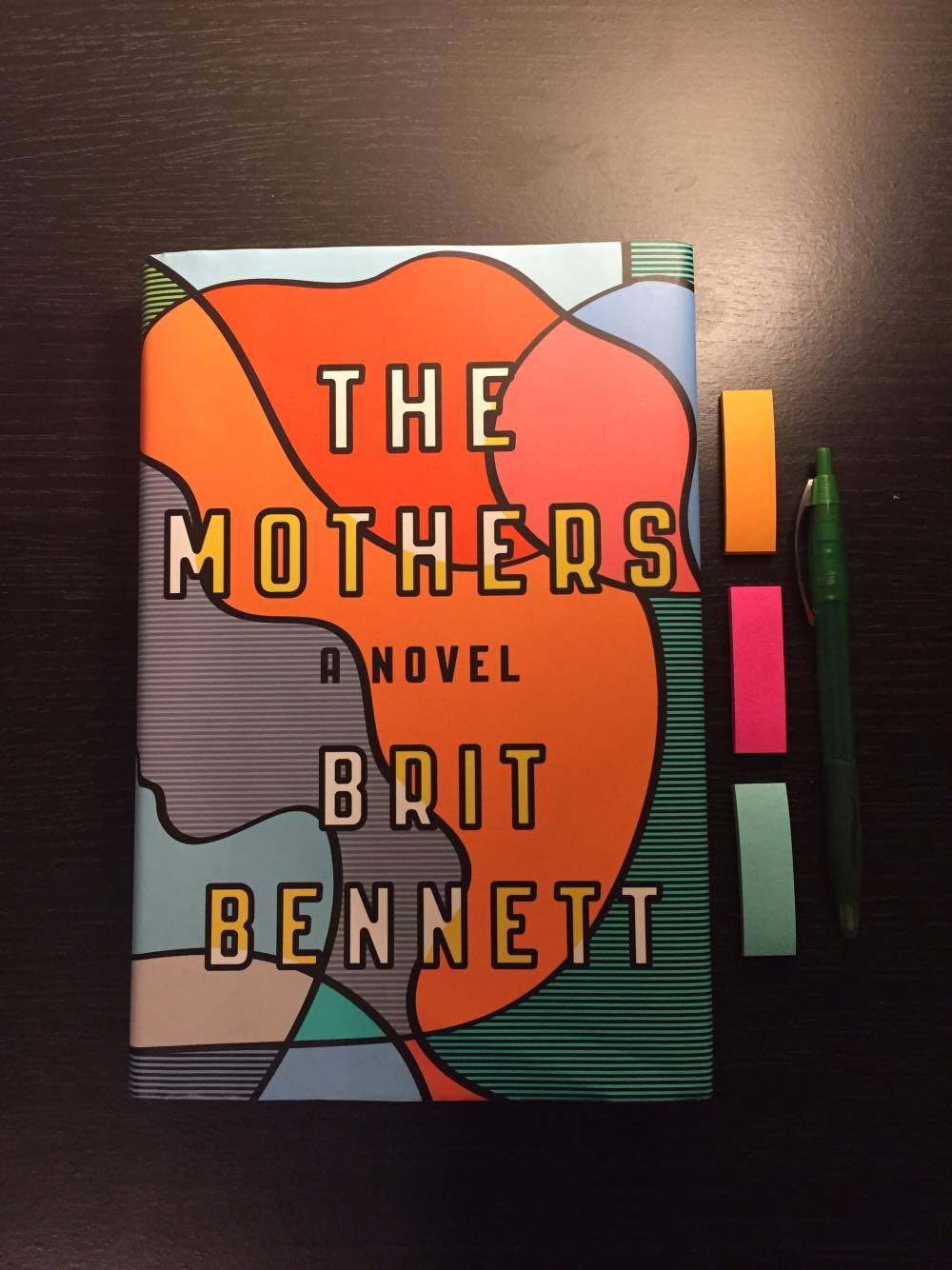
Book Pick #2: The Mothers by Brit Bennett | Book Review
Book Pick #3: Here Comes the Sun by Nicole Dennis-Benn | Book Review
Final/Summary Post: Black History Month 2017 on Incessant Scribble 

February 21, 2017

Here Comes the Sun by Nicole Dennis-Benn | Book Review

Margot works as a front desk clerk at the Palm Star Resort in Jamaica. During the day she answers the phones, welcomes guests, oversees the hotel staff and sees to it that guests are comfortable and well taken care of. At night Margot heads to the rooms of guests who earlier in the day put in orders for sex using code words like "sundae" and "ackee". She has dreams of rising past her current job post and she's doing her best to show her boss that she deserves a promotion.

Delores is Margot's mother and while Margot hustles night and day at the hotel, Delores labors under the scorching Jamaican sun selling souvenirs to tourists. She heads out to her market stall every day with her wares, lures tourists over and then exploits them. It's hard work. The Jamaican sun burns and the heat suffocates but her second daughter is the light at the end of the tunnel. She dreams of the day Thandi will become a medical doctor and rescue her from misery and penury.

Thandi is Margot's sister and Delores second daughter. She's the one who's being aggressively set up to succeed. She's the one expected to rise high and fly far. She's the basket into which Delores and Margot have put their precious eggs. Thandi is book smart and going to the best school in the area through a scholarship Margot wangled from Alphonso Wellington her boss at Palm Resort Hotel. Margot and Delores have drilled into Thandi that a good education and good grades is her only escape. It's the only thing that can elevate Thandi above this mess of a life and take her far far away from their shack. The dollars Margot and Delores stash away is used to make Thandi comfortable and see that she lacks nothing that she needs. They even let her skip household chores just so she can concentrate on getting the best grades possible to guarantee entrance into medical school. Thandi does as she's asked but she's not interested in being a doctor. She wants to be an artist and the little encouragement given to her by a schoolteacher sows a seed that threatens to undo all the effort that has been put into Thandi.

Here Comes the Sun is my 3rd book selection for Black History Month here on Incessant Scribble. I discovered this novel and my 2nd book selection, The Mothers by Brit Bennett, in the article My Year of Reading Books by Black Women written by Alisha Acquaye for Elle Magazine. Here Comes the Sun is a great book selection especially for Black History Month for many reasons one of which is that it deals with uncomfortable topics in black communities such as rape, homosexuality and colorism. It pushes the reader to confront these topics and to notice how they affect all our lives directly or indirectly. I think that makes this material more powerful and many times more arresting.

I need to discuss Delores and Margot but I'll try not to give much away. I think it's easier to tag Delores a monster and file her character away than to pay attention to everything that we know about her and acknowledge that she's the way she is because of the cards life has dealt her. She's just like the rest of us. So even though she's cold and unloving and even though she tears down her daughter's dreams and tears down their confidence. Even though she has fed her daughter to ravenous wolves on numerous occasions she's still a human being with her own demons and insecurities. Honestly there were a couple of times when I wanted someone to hug her and somehow heal her emotional wounds.

Margot is very ambitious. She may not be as book smart as her little sister, she may not have the
Formation World Tour, Houston, TX 5/7/16
education and exposure she needs to get the job she wants, and she may not have had a gentle, loving childhood but she doesn't let those things hold her back from her goals. She's ruthless in her pursuit of them tossing morals aside, sacrificing lives, breaking hearts, burning bridges and shattering homes. On page 196 she does something so savage that my eyes widened in disbelief and I put down the novel. It was already past midnight and I was still trying to recover from the shock and pain of watching Beyonce, just hours before, lose the Grammy for Album of the Year for her groundbreaking album LEMONADE, which she more than deserved. It was all just too much for one night so I went to bed. At first Margot seems better than her mother but in the end I'm not sure where to put her so to speak. She has mined the darkness of her childhood, adolescence and adulthood and used all of that to fuel her way forward. So at the end of the novel, however volatile her situation may seem to some readers, however pyrrhic her victory may seem to some readers, it's important to note that she survived. It's important to applaud that she held her head above water and went for every single thing she ever wanted. And anyone, anyone who has ever come from nothing. Anyone who grew up in poverty and lived in "shacks", and has forever known deep, deep, deep thirst for the better and nicer things in life will relate to Margot in some measure. I love this novel. I love it. I love it. I love it. You need to read it.

----
READ My Other Black History Month Selections!!!
Book #1: The Twelve Tribes of Hattie by Ayana Mathis | Book Review
Book #2: The Mothers by Brit Bennett | Book Review

February 14, 2017

The Mothers by Brit Bennett | Book Review

The Mothers begins titillatingly with scandalous gossip. Nadia Turner, daughter and only child of Robert and Elisa, got impregnated by the pastor's son and she went to the abortion clinic downtown to rid herself of the baby. The rumor is told to us by "the mothers" a circle of wizened old women who have lived all their lives in Oceanside, a small community in California, USA. The mothers have seen it all - young feverish love, heartbreak, pregnant girls hidden from prying eyes and shipped off quickly to the home of a faraway aunt - and so even though they judge Nadia's actions their judgement seems to come from a different place. In a community as small and tight-knit as Oceanside everyone is connected and one person's actions can create a ripple that morphs into a wave and topples even the most revered community institutions.

Let me first say that this review doesn't do this novel justice (neither does the book cover art) and for that I sincerely apologize. Right from the beginning Bennett has you hooked and she keeps you enraptured until the very end. I'm amazed and so so impressed by the wisdom and depth Bennett has shown in this debut. How old is Brit Bennett? How is she so knowing? The Mothers by Brit Bennett is the spectacular arrival of a new literary voice. It's a mesmerizing accomplishment. Much kudos to Brit Bennett. You need to read this book.
---
This is my second book pick for my annual celebration of Black History Month here on Incessant Scribble. My first book pick was The Twelve Tribes of Hattie by Ayana Mathis. My third book pick will be reviewed on the 21st. 

February 07, 2017

The Twelve Tribes of Hattie by Ayana Mathis | Book Review

Hattie, her mom and her two sisters fled the south and traveled up north to Philadelphia to start life all over when Hattie was fifteen years old. The difference in racial relations is immediately evident to Hattie when she gets off the train at Broad Street Station, Philadelphia and so she vows never to return to the south. Not long after their arrival Hattie gets impregnated by August and she moves out of her mother's house to live with him. The twelve tribes referred to in the book title are her eleven kids and one granddaughter and each chapter in the book focuses on each child or in some cases two. Hattie's life has been a thorny mess partly as a result of her choices and largely because August Shepherd is an unambitious, no-good adulterer, completely unworthy of Hattie. The Twelve Tribes of Hattie begins with the birth and death of Hattie's first babies, the twins Philadelphia and Jubilee, thus setting the tone for the rest of the novel.

Ayana Mathis's prose is immediately absorbing. The first chapter is there to break our hearts and ready us for the rest of the novel. The characters are colorful, each one contributing immensely to the narrative and bringing along his or her own recollection of the same family events. I finished The Twelve Tribes of Hattie and wanted more so I continued on to the acknowledgements and drank up all of Ayana's thank-you's to those who contributed to this work. This is one of those novels that makes me question if I could ever really do this, if I could ever write anything decent enough. It's one of those novels for which I made a mental note to revisit for some sort of literary guidance once I'm ready to walk this path and tell my own stories. I love this novel a lot. You should read it.

---
This is my first book pick for the celebration of Black History Month here on Incessant Scribble. I plan to review four novels this month. My second post will be up on the 14th.

READ:
February Is Black History Month on Incessant Scribble

[Image via Amazon]

January 29, 2017

Welcome to Lagos by Chibundu Onuzo | Book Review

In Chibundu Onuzo's Welcome to Lagos two soldiers Chike and Yemi flee their army base because they can no longer continue with the atrocities being committed by their platoon. They desert their base on foot and under the cover of darkness with no definite plans on where they're fleeing to. Along the way they pick up a bunch of characters all of whom are fleeing something in their lives. The group heads to Lagos in the hope that they can begin life afresh. Their first night in Lagos is spent in a hotel and then financial constraints force them to make a home under a busy Lagos bridge. The menial jobs they pick up help cover their expenses but the question of how long they can continue to live this way hangs over them. Their lives change forever when they come into contact with Chief Sandayo, the former Minister of Education, who's currently on the run.

Welcome to Lagos is the first novel to be released in 2017 out of the many highly anticipated books slated for release this year. There were a lot of times during my reading, especially in the beginning quarter, that I wanted to put this book down and move to another because I was bored by the storylines. By the time I was halfway done with it I knew it wasn't one that I'd recommend. Welcome to Lagos had its moments though. I was intrigued by some plot twists and I followed through to see where it was all headed but those moments don't make up for everything else. I do have to say that I was saddened by the novel's ending. I finished it and sat there in the kitchen thinking about it all. That ending was a product of all their choices especially those made by the group leader Chike. Welcome to Lagos is one of those novels you appreciate in the end.

READ: 
The Spider King's Daughter by Chibundu Onuzo | Book Review

[Image via Amazon]

January 07, 2017

Voice of America by E.C. Osondu | Book Review

Voice of America is a collection of eighteen short stories. It begins with Waiting and ends with the titular story, Voice of America. Some of the characters live in Nigeria and fantasize about the American life while swapping and parroting myths about Americans. Other times the characters are immigrants living in America and grappling with the realities of the American way of life. Of the eighteen short stories I only like seven - Waiting (I love, love, love this one. There's a reason it won the 2009 Caine Prize for African Writing), Bar Beach (love this), Our First American (love this one), Jimmy Carter's Eyes (I love this one a lot. It was a finalist for the 2007 Caine Prize for African Writing), A Letter from Home (love this), The Men They Married, and I Will Lend You My Wife. I had a mixed reaction to some of the remaining nine stories and disliked a couple of them.

Voice of America is E.C. Osondu's debut collection of short stories. It was published in 2010 and I've seen it referenced and recommended so many times over the last few years. Because it's so well regarded I expected to like it or at least a good chunk of it but things didn't turn out that way. I loved the first few stories but as I got further in my reading I encountered more and more stories I did not care for. Welcome to America was where my reading completely stalled for the first time. Every other entertainment choice in my house was more appealing than returning to that story but I finally got through it.

The first E.C. Osondu book I read was his second collection of short stories This House Is Not For Sale when it was published last year. I love that book a lot. Voice of America bears some similarities with This House Is Not For Sale except that the country of obsession by its characters is America instead of Britain. Voice of America is very enjoyable at the good points and E.C. Osondu's humor cracked me up just as it always does. I honestly would have liked to walk away loving the majority of stories in this highly regarded collection by Osondu. Honestly. If This House Is Not For Sale is an 8 out of 10 then Voice of America is a 5 out of 10.

READ:
This House Is Not For Sale by E.C. Osondu | Book Review

[Image via Amazon]

December 07, 2016

The Caine Prize for African Writing 2016 Anthology | Book Review

The Caine Prize for African Writing is a prestigious literary prize awarded to African writers annually beginning in the year 2000. Each year an anthology comprising of shortlisted stories and workshop stories is published by New Internationalist in the UK and in 8 African countries (South Africa, Nigeria, Kenya, Zimbabwe, Ghana, Zambia, Cameroon & Uganda). This is my second year reviewing the anthology series on my blog. Last year's anthology was titled Lusaka Punk and Other Stories. This year's anthology is titled The Daily Assortment of Astonishing Things and Other Stories. The collection begins with the five shortlisted stories and then continues with the twelve stories penned by the workshop participants. Here we go.

Shortlisted Stories 2016
Somalian/Kenyan author Abdul Adan's The Lifebloom Gift opens this year's collection. It's an odd story. It's not long before I know I don't like it and so I check quickly to see how many pages it is (11 pages) and then I continue. The protagonist worked as a TSA attendant until he was fired about two days ago upon accusations of inappropriately touching a traveler during an airport frisk. He denies the charges then goes on to narrate other incidences of touching strangers without their consent including a man (who seems a bit challenged) called Ted Lifebloom. I wasn't comfortable with this story.

Lesley Nneka Arimah (Nigeria) follows with What It Means When a Man Falls from the Sky. Nneoma is a mathematician but a special kind. She can calculate grief and pain and from those calculations she and her colleagues can make it all go away. It's a pricey procedure obviously. Contrary to my initial fears I liked the story.

Tope Folarin's (Nigeria) short story is called Genesis. This is my first work by Tope Folarin and something about his narration and the story just made me sit up a little, readying myself for a goood story. The protagonist tells of his childhood in Utah, U.S.A. It's one spent in terror of his mentally ill mother. Alternately pleasant and abusive she is a threat to her spouse and two sons. Our narrator observes meltdowns and the physical abuse of his father. He's the big brother absorbing double portions of physical and emotional abuse just to protect his little brother. Tope Folarin's incredible. I'm sooo impressed. Love this story.

Bongani Kona (Zimbabwe) penned At Your Requiem. It's a tale of two cousins who grew up in the same house as brothers fighting for the love an affection of a twisted mother. They grow older and the toxins and big secret from their childhood cause them to spiral out of control as they try to escape via substance abuse. It doesn't seem like their relationship will be repaired anytime soon.

Memories We Lost is by Lidudumalingani (South Africa). Lidudumalingani is the WINNER of the 2016 Caine Prize for African Writing. It's a tale of two sisters. One of them battles mental illness and everyone in their community 's at loss on how to handle this problem so she's subjected to all sorts of rituals. The narrating sister begins to interfere with the medicinal treatment because her sister seems more alive without them. Once she gets wind of the latest treatment proposal she takes matters into her own hands. Memories We Lost is okay.

Workshop Stories 2016
The curiously titled His Middle Name Was Not Jesus was penned by NoViolet Bulawayo (Zimbabwe). We all know Bulawayo. I LOVE her book We Need New Names and I reviewed it in 2013. Mukaka works at a wildlife resort in Zambia and he's infatuated with a lady currently at the resort. He mistakes her tenderness for something deeper and he doesn't handle it well in the end. For a tale by Bulawayo I'm surprised I did not respond sooner to this story.

In Koba Umwine - Peel It Yourself by Chilufya Chilangwa (Zambia), Mumbi's marriage seems set to crumble just three weeks after her nuptials because of an infidelity. A phone call from her mom helps her realize what's important to her.

The Goat is Tope Folarin's second submission and it stands out in the workshop short story lineup. In this boy's family the father is the problem and his mother does her best to mitigate the effects of his fathers rashness. I love this story.

Walking was written by Nigeria's Elnathan John. I remember him from last year's collection and I reviewed his debut novel Born On a Tuesday this past October. In Walking an overweight man exercises daily to fight the weight off. We're privy to all his thoughts & his judgement of other regulars on his exercise route. He's a big man with just as many insecurities, grudges, and issues as the rest of us. I like it.

In Shiko by Billy Kohora, a bunch of old school friends reunite. These boys are in their forties and secondary/high school was a long, long time ago. This is no Real Housewives of Atlanta reunion. This group, at a bar drinking beer and eyeing women, lacks members with any star quality. It's an lackluster band of friends. The business opportunity they meet to discuss is very shady. The protagonist tries to borrow money from his girlfriend and then his dad but that doesn't work. The only thing he's able to bring to the table is secret company intel. During their gathering at a drinking spot that's an office during the day and a brothel at night, one of them calls the narrator a "homo" and everyone freezes. My first thought was "ohh damn... here comes the drama" but... It's a decent story.

The Wandering Festival was written by Bwanga "Benny Blow" Kapumpa (Zambia). Here the protagonist attends "The Wandering Festival" so he can write about it. He's hoping that writing about this once in a decade event will help revitalize his writing career. I just wanted this story to be over.

In the Garden was written by FT Kola (South Africa), another name I recognized from last year's anthology collection. I did not like this story or its narration. There's a marble palace with handmaidens and limestone sphinx sculptures and "precious silk" and stuff. It's possible that this borrows from the ancient empire for artistic purposes. It's definitely not my thing.

Timwa Lipenga of Malawi wrote Duty. The main character heads to prison to see her father. The visits are tough but more so because of the reason he's incarcerated. This is a story that had me wanting more. I like it.

77 Steps by Kafula Mwila (Zambia) isn't engaging. From the beginning the protagonist seems tense. He has questions about his history and the death of his mother years back. Unable to get answers at home he goes out to seek them.

Space II is by Masande Ntshanga (South Africa). Here's a laid back male character whose life seemed promising in the beginning per his father. He hasn't come anywhere close to his potential after all these years. His is a life of prostitutes and prescription drug abuse. I'm surprised I liked this story. It wasn't exciting or moving but it was good in the end.

The titular story of this collection The Daily Assortment of Astonishing Things was written by Okwiri Oduor (Kenya). Immediately it's clear I have my favorite story. Dudu is a little monster who constantly exasperates his mom and terrorizes little kids around him. He steals and destroys everything in his path. During one of his rampages he captured a chicken, broke its wing and burst open its head. He's wild and crazy and unmanageable. This story is very entertaining. I love it. I love it. I love it. I look forward to future literary offerings from Okwiri Oduor.

Namwali Serpell (Zambia) closes this anthology with her story Zo'ona. She's another familiar name I remember from last year's anthology. I LOVE this story sooo much. It starts out with the early morning receipt of an email and before the end of the day lives have been ruined. We hop all over with Serpell from character to character to see the ripple effect of a simple error. I LOVE this story a lot.

Most Memorable
1) The Daily Assortment of Astonishing Things by Okwiri Uduor
2) Zo'ona by Namwali Serpell
3) Genesis by Tope Folarin
4) The Goat by Tope Folarin

As always this is an eclectic compilation of stories from the African continent. Much kudos to all the publishers for putting this together in a tidy little collection. Last year I loved the opening short story but disliked the closing short story of the 2015 anthology. I had felt that the closing short story then wasn't memorable enough to close the collection. This year the reverse is the case. I really like the closing story but not the opening story. Once again I'm glad I chose to review this anthology series annually. I can't wait to see what 2017 brings. Happy Holidays!!

READ: 
The Caine Prize for African Writing 2015 Anthology | Book Review
[Image via Amazon]

November 07, 2016

Behold the Dreamers by Imbolo Mbue | Book Review

Behold the Dreamers is a story about a Cameroonian family living in the United States of America. Jende made it out of Cameroun on a visiting visa three years ago and was able to, over a period of time, arrange for his girl Neni and his son Liomi to join him in America. Two weeks after their arrival Jende marries Neni in a small ceremony in New York. Neni soon finds work under the table as a home health aide and also begins taking community college classes so that she can get the credits needed to get into pharmacy school. A year and a half later (the beginning of the novel), Jende gets a nicer, better paying job chauffeuring the wealthy Mr. Edwards and his family. The new job and much larger paycheck makes the Jonga's euphoric. Their sun seems to be rising and all their American dreams seem poised to come true. However, the issue of their immigration status looms over them like a dark cloud. On arrival to America Jende had hired a Nigerian lawyer to figure out a way for him and his family to stay in the country. The pathway to residency proposed by his lawyer is really shaky but they go along with it hoping for the best. Will the Jonga's soar high like a brightly colored hot air balloon or will all their hopes, dreams and aspirations explode mid-flight and fall to the ground like a confetti of burning debris?

Behold the Dreamers was previously titled The Longings of Jende Jonga and I loved the previous title so much that for some time I refused to refer to it as Behold the Dreamers. Anyway, publicity for this novel was in full swing last year way before its 2016 release and the anticipation was high among book readers. Imbolo Mbue was rumored to have received a seven figure advance for this book and so everyone wondered what tale Mbue could possibly have spun to receive such an enormous advance. Behold the Dreamers is a riveting immigrant tale that's relevant for the times we live in. I could relate to the sentiments expressed by Jende & Neni but especially those expressed by Neni. Of the two characters, one is terribly, shamefully weak and wants to give up on the fight while the other is open and willing to pursue all possible options to U.S. residency legal or illegal. I read page after page, completely consumed by Behold the Dreamers while outside my bedroom window morning turned to afternoon and then night. My heart grew heavier as I neared the end and I begged the stronger of the two to do something, anything. I wanted to cry for them. As a citizen of the United States who immigrated from Nigeria I could sympathize with their immigrant experience and I kept rooting for them to get a shot at their dreams. I read this novel in September right after I read the spectacular Homegoing by Yaa Gyasi. Both Homegoing & Behold the Dreamers were highly anticipated 2016 releases and by now you should already know that Yaa Gyasi's Homegoing is required reading. Of the two stunning debuts it was Behold the Dreamers that I found hard to shake off after reading. I kept thinking about the Jonga's like I didn't have my own day to day problems. I woke up the morning after and thought about it while getting ready for work, while commuting to work and when I returned home that evening. It's a moving debut. You need to read this novel. BUY it. BORROW it. READ it.

READ: Homegoing by Yaa Gyasi | Book Review

[Image via Amazon]

October 14, 2016

Born on a Tuesday by Elnathan John | Book Review

Dantala's a Muslim boy living in northern Nigeria. His dad is dead, his mother is a shell of her former self due to a family tragedy, and his siblings are scattered. At the beginning of the story he lives with a band of stray, unruly boys who survive the streets by letting themselves be used by political parties to carry out election mischief. He gets redeemed by a Sheikh and is able to live a different sort of life. It's a new chapter in his life and an important part of his growth into a man. A chance happening leads to a sexual awakening but not the kind of awakening a devout Muslim can afford to entertain. These feelings arouse, sober and repulse him. Will he suppress his feelings or seek outlets for exploration? While he deals with that deals with his inner turmoil there are important, life-threatening issues needing attention. His father figure, the Sheikh, and Mallam Abdul-Nur are the heads of two factions who are continuously in discord about what Islam should mean, especially in the wake of international terrorist attacks, and what is the best path going forward both for their community and Islam in general. Tensions rise, things escalate, and people fall left and right.

I haven't read a lot of novels set in northern Nigeria and featuring Muslim protagonists. It makes this book especially more important in the overall quest for more diverse voices from Nigeria and the African continent. While reading Born on a Tuesday and after I was done with it I kept thinking that the novel would mean a little more and I would feel a little more if I could really understand the context of the life portrayed and the gravity of its weighty issues. I'm not saying only northerners or those with a Muslim background would understand Born on a Tuesday. I'm saying I'd probably be a little more heartbroken at the end if I had been able to connect to all of this a little more. I first read Elnathan John in the The Caine Prize for African Writing 2015 Anthology titled Lusaka Punk and Other Stories. I liked his short story Flying. Born on a Tuesday is a good read.

READ:
The Caine Prize for African Writing 2015 Anthology | Book Review

[Image via Amazon]

October 07, 2016

Homegoing by Yaa Gyasi | Book Review

Homegoing begins with the nighttime birth of Effia Otcher, one of the two great ancestresses whose lineages we will follow to the end. We see Effia grow, get married off to a white colonialist named James Collins, and birth a boy named Quey. The three of them live in a castle that holds captives in its murky dungeons. Esi is the other great ancestress. We catch her just as she turns fifteen while in the dungeon of Cape Coast Castle, a holding place for kidnapped persons just before they are shipped off to the United States of America to serve as slaves. Each chapter in  Homegoing is about a character; each character is a descendant of one of these two ancestresses. We follow these descendants from chapter to chapter, life story to life story, in sickness and in health, till death (sometimes), and then we part. They head off to the afterlife and we, witnesses to their immense pain and suffering, head back to our daily lives incredibly moved and much more aware of the horrors of our history.

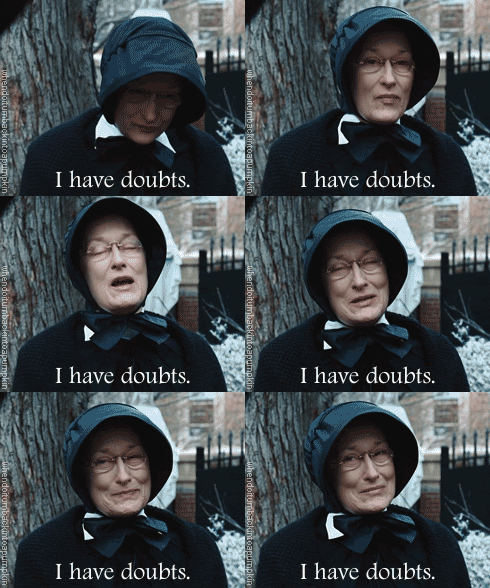
Homegoing deals with the slave trade that resulted in millions of men & women being uprooted from Africa and shipped to the United States of America to undergo abominable treatment in the hands of white men. I was nervous about this book at first because I know that the author is a 26 years old immigrant from Ghana not an old, wizened African American lady writing about a history she either knows firsthand or via tales handed down to her from generation to generation. As much as it makes me cringe to admit it, I wondered if this was Yaa Gyasi's "story to tell".  I was worried that this whole thing might come off as a ROOTS (the miniseries) wannabe. I was worried that Homegoing (305 pages) would reek of researched content that would render it lifeless, a big bulky mess in the end. The most appropriate GIF that immediately came to mind to mirror my thoughts before and during the first few pages of Homegoing is this scene with Meryl Streep (one of my favorite actresses in the world) from the movie Doubt. 


Homegoing at HARVARD
I had so many doubts but I was rooting for Gyasi to triumph. And she did. She freaking did. Gyasi's writing is confident, commanding, and effortless like this isn't her first rodeo. Homegoing weaves stories across generations, across cultures, and across continents, a terrifyingly ambitious undertaking. It's the first novel I've read that tells the slave trade story from the African perspective. Gyasi takes us to these characters in whatever corner they may be, either living with family or weathering loneliness, some knowledgeable about their ancestral roots and others not so aware. They are split up just like slavery split up millions of families and you yearn for them to reunite but you know for this plotline to pay true homage to our ancestors they shouldn't reunite because in real life lots of black families did not reunite. By the end of Ness's story on page 87 I was certain our ancestors gave Yaa Gyasi the talent, wisdom and fortitude required to tell this story and that they would be so proud if they could read this. As I neared the end of Homegoing and in the ensuing silence after I finished it (including the Acknowledgments), I was more aware of the magnitude of this project, of this literary achievement, this gift that was crafted by the amazing Yaa Gyasi.

Homegoing is one of the most inspiring books I've ever read. I'm so proud. I'm so moved. I'm ready to stand on the street corner selling copies of this book. I saw it displayed in the window of the HARVARD Bookstore late September when I visited and I was like "yessssss...". You need to read this book. BUY it. BORROW it. Just find some way to READ IT.

[Book Cover Image via Amazon, GIF via ReactionGifs

September 14, 2016

Like a Mule Bringing Ice Cream to the Sun by Sarah Ladipo Manyika | Book Review

Morayo is an elderly woman living in San Francisco, California. She lives alone with her multitude of books in a prized apartment with a choice view of the city. She has never had children and she has no family member geographically close enough to be there for her when she needs it. She used to be a Professor of English and she also used to be married to an ambassador. Using flashbacks and the narration of other characters in Morayo's life, Manyika gives us a great perspective of the life Morayo now lives. Like a Mule Bringing Ice Cream to the Sun is a portrait of a woman who's living out the last years of her life the best way she can.

I honestly couldn't wait to be done with this novel. Honestly. The knowledge that it had just 118 pages kept me going because I knew I could do it if I just kept at it. I like Sarah Ladipo Manyika. I enjoyed and reviewed her first novel In Dependence and I even interviewed her for this blog in the post 12 Questions for Sarah Ladipo Manyika back in 2009. Morayo's story is boring. It has no spark. I understand that it's a story about an elderly woman but I wanted it to be much more than this. It's all good though. I'll still be in line for Manyika's next novel.

[Image via Amazon]

September 07, 2016

July's People by Nadine Gordimer | Book Review

Bam and Maureen Smales are a caucasian couple with three kids living in apartheid South Africa. This story begins with them in a village hut being attended to by their black manservant, July. The sudden war in South Africa, a product of racial tensions, has forced everyone to flee the cities and the Smales family is in especial danger because of their race. July's extended family aren't welcoming but they take the Smales in. July's mom even vacates her personal hut at his request so the Smales can stay in it. The plan seems to be to hide out in July's village until it's safe but tensions are rising within the camp. For 15 years July has been the paid manservant who does their bidding but now the Smales are helpless and dependent on July for a lot of things, including their safety. Will they continue to stay with July's People or will they head out on their own?

July's People is about the racism in South Africa at a certain point in time. The story doesn't start out in an exciting way and for a while the only reason I'm clinging on is because it's written by Nadine Gordimer. She's a revered South African author. She won the Booker Prize in 1974 and the Nobel Prize for Literature in 1991. I've wanted to read her books for some time now and I initially planned to start with The Conservationist but I changed my mind. Anyway, July's People doesn't build up to some great tragedy or jaw dropping event. It just keeps trudging along for 160 pages. Do I like July's People? Yeah, it was okay... Would I recommend it to anyone? No.

[Image via Amazon]